subject_definitions:
<Subject 1> is [PRIMARY SUBJECT] from <Picture 1>. Preserve [face, hair, age range, wardrobe, asymmetrical markers, key prop] throughout. <Picture 1> supplies identity and appearance only, not pose or camera framing.

<Subject 2> is [SECOND SUBJECT / PRODUCT / CREATURE] from <Picture 2>. Preserve [specific visible traits and material details]. <Picture 2> supplies [identity / product geometry / costume] only.

<Subject 3> is [ENVIRONMENT / VEHICLE / OBJECT] from <Picture 3>. Preserve [architecture, scale, material, lighting condition] as the setting reference.

<Video 1> supplies [camera rhythm / motion language / edit rhythm / action timing] only. Do not copy its visible subjects unless explicitly stated.

<Audio 1> supplies [voice identity / speech timing / beat structure / sound texture] for <Subject 1> (S1). [Use “fully copied” only when the exact audio should be reused.]

summary:
[reference generation] A [DURATION]-second [ASPECT RATIO] [live-action / animation / CG / other medium] sequence. <Subject 1> [does the single central action] in <Subject 3>. <Subject 2> [relationship to Subject 1]. The video moves from [opening state] to [final state]. Reference roles remain separate: <Picture 1> controls identity, <Picture 2> controls [role], <Picture 3> controls setting, <Video 1> controls [role], and <Audio 1> controls [role].

retention_analysis:
<Subject 1> (appears in [Shot 1], [Shot 2], [Shot 3]): fully_preserved - [exact identity and continuity details that must hold].
<Subject 2> (appears in [Shot X]): fully_preserved - [exact traits that must hold].
<Subject 3> (appears in [Shot X]): partially_preserved - [what remains fixed and what may change].
<Video 1> (camera movement and cut rhythm): weak_reference - [what is borrowed, nothing else].
<Audio 1>: reference - [exact voice, timing, rhythm, or physical sound relationship].

detailed_description:
[Shot 1] [Medium / close / wide] shot. [Medium and visual treatment]. <Subject 1> begins [precise body position, screen position, gaze direction, hand/object state] inside <Subject 3>. [Lighting source, surface response, depth cues]. The camera [one camera movement with meaningful amplitude and speed]. [Action begins]. [Critical identity locks remain visible: exact side-specific markers, clothing, prop orientation]. [If dialogue: <Subject 1> (S1) says: <d>[LANGUAGE] [SHORT EXACT LINE]</d>]

[Shot 2] At [MM:SS.mmm], hard cut to [new framing that reveals new information]. <Subject 1> now [specific action progression], while <Subject 2> [specific reaction/action]. The camera [one controlled movement]. At the exact instant [physical event] occurs, [specific synchronized sound] is heard. [State what must not change.]

[Shot 3] At [MM:SS.mmm], hard cut to [framing]. [Cause and visible consequence]. [Precise object interaction, material behavior, facial reaction, movement path]. [Sound source and timing]. [Any visible on-screen text in exact quotation marks.]

[Shot 4] At [MM:SS.mmm], hard cut to [framing]. [Escalation or reveal]. The camera [movement]. [One clear visual priority]. [One clear sound priority]. [Keep continuity locks explicit only where they are at risk.]

[Shot 5] At [MM:SS.mmm], hard cut to [framing]. [Final action resolves]. The composition lands on [exact final pose, object state, screen direction, lighting state, and camera position] by [DURATION] seconds.

overall_soundscape:
[Physical ambience only: location tone, room tone, wind, traffic, cloth, footsteps, object contact, breathing, impacts. State exact timing for the two or three sounds that matter most. Do not repeat dialogue.]

non_diegetic_music:
[Instrumentation, tempo, rhythm, entry point, exit point.]54:T
 定格AI图像工坊

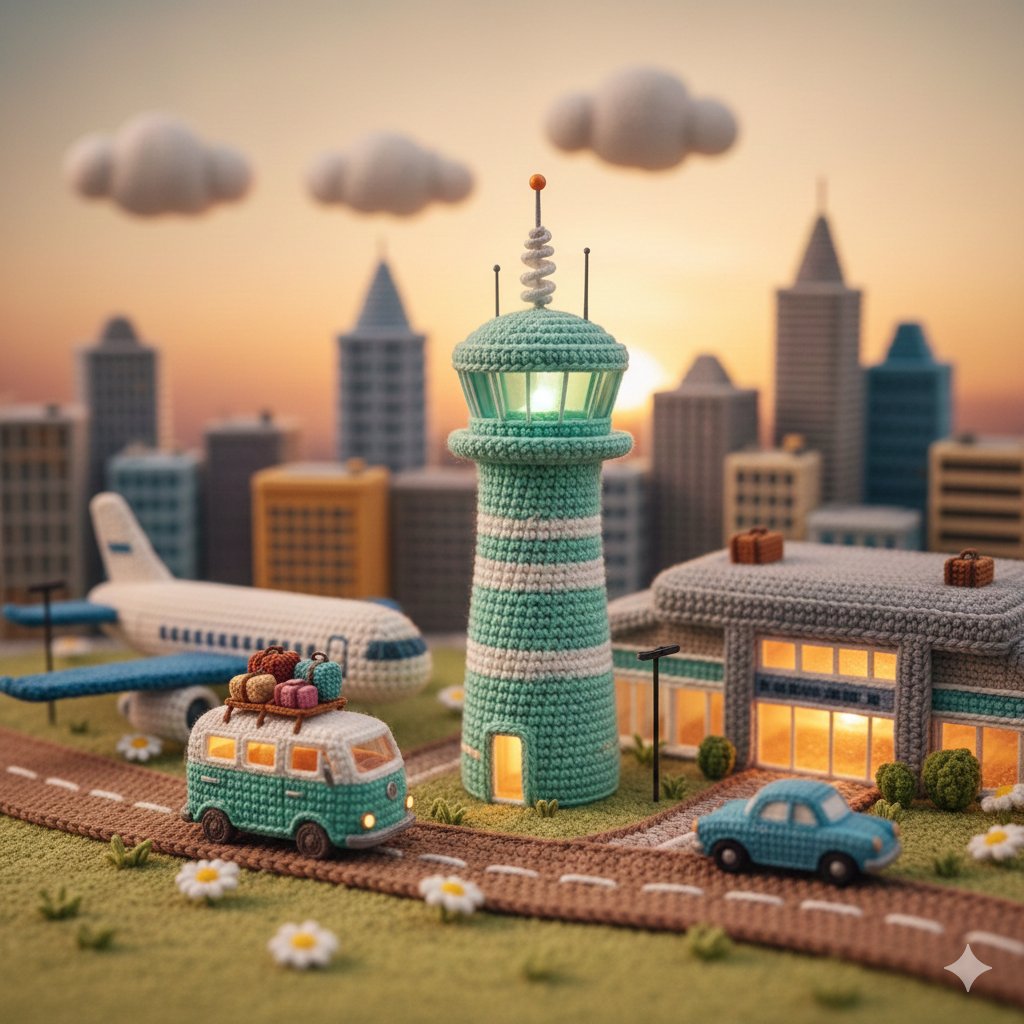 A highly detailed miniature diorama entirely made of crochet
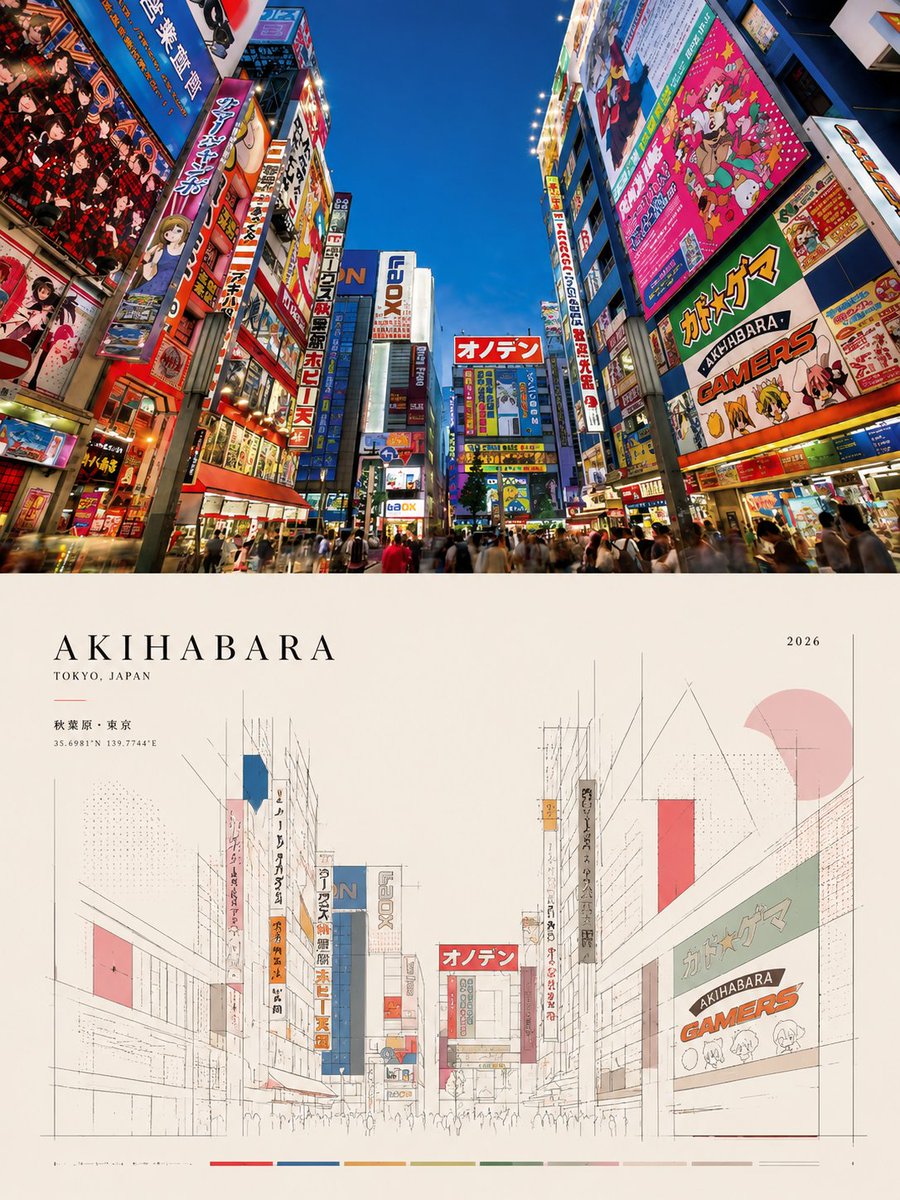 Create an ultra-high-resolution, print-ready editorial poste
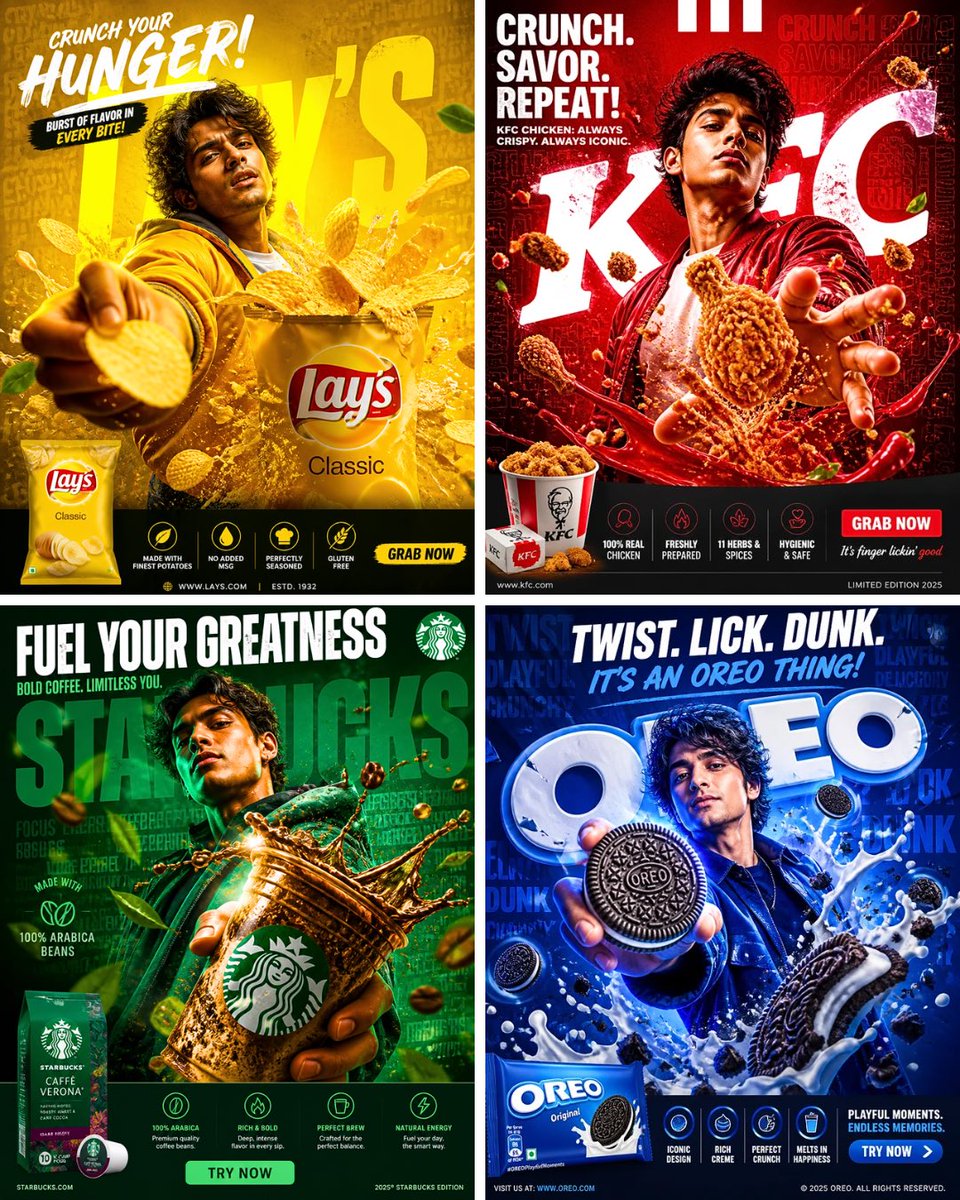 A high-impact cinematic advertising poster for [BRAND]. A yo
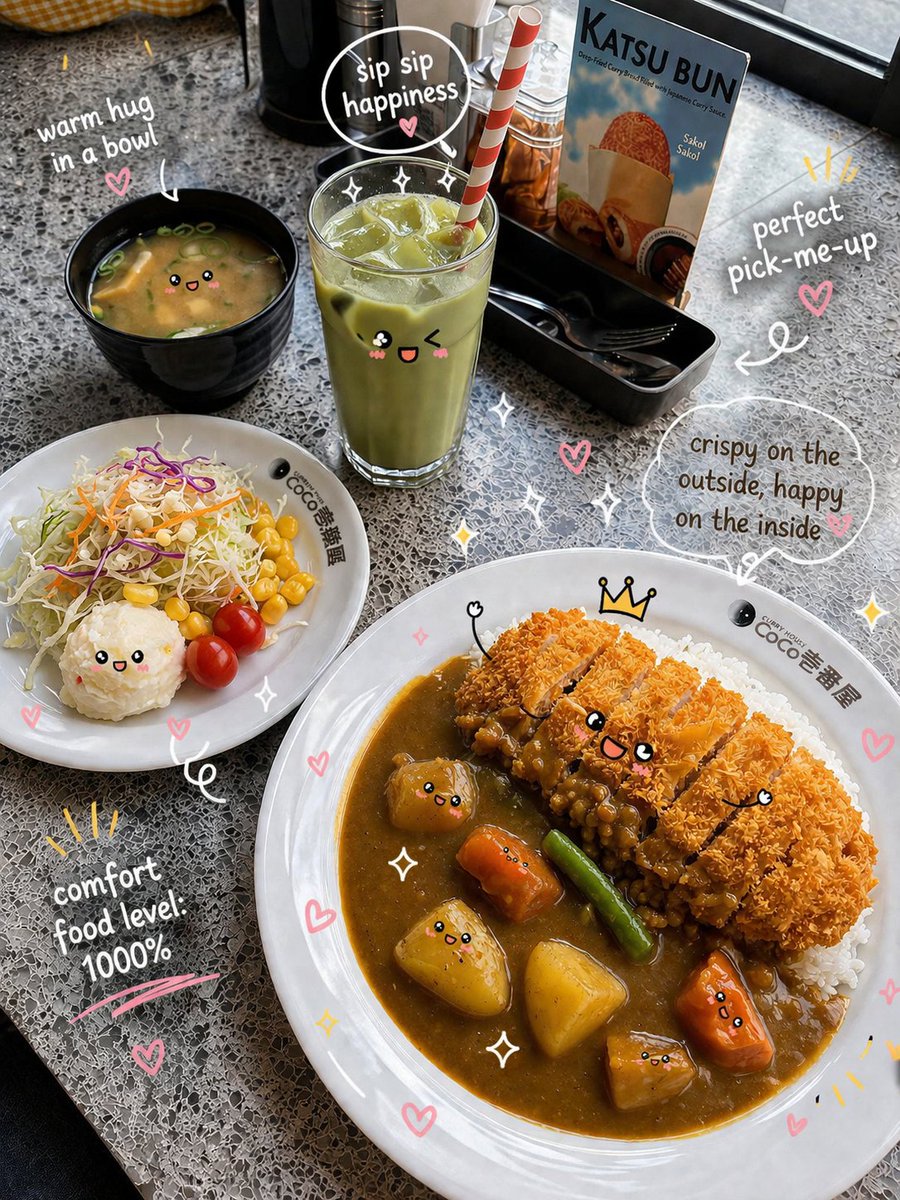 Prompt. { "scene": { "type": "food_photography",
 Create a minimalist ultra-high-resolution travel poster in l
 Wide editorial lifestyle shot, young woman in sheer emerald
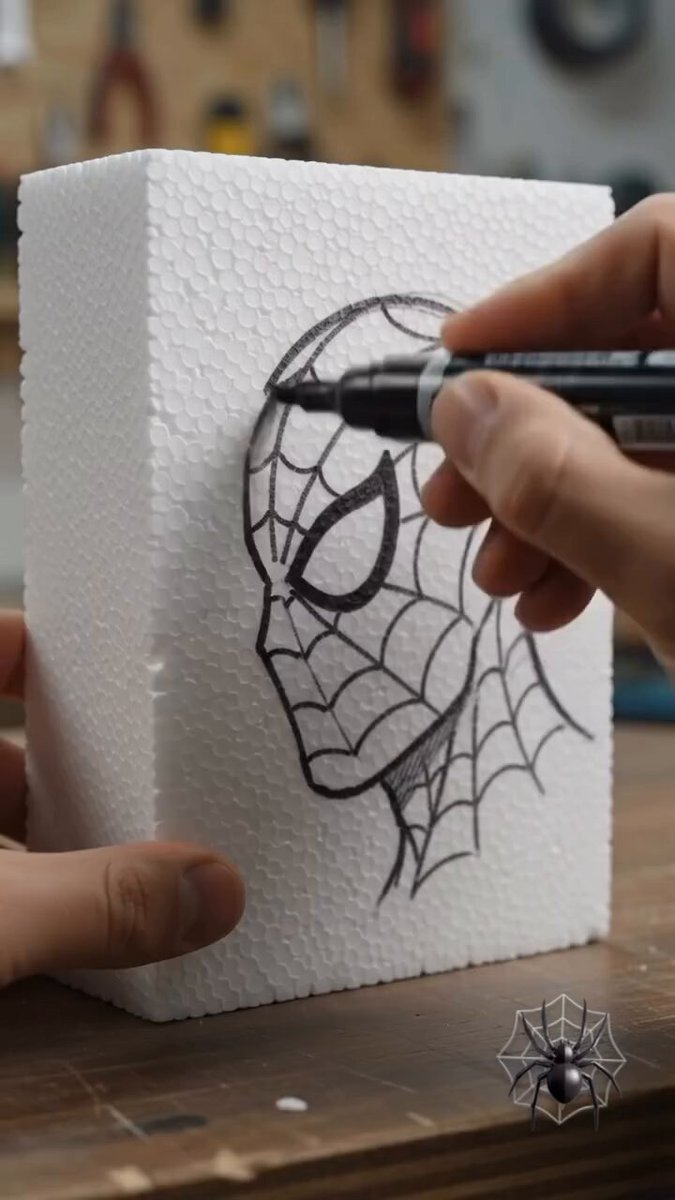 Create a highly realistic vertical 9:16 cinematic time-lapse
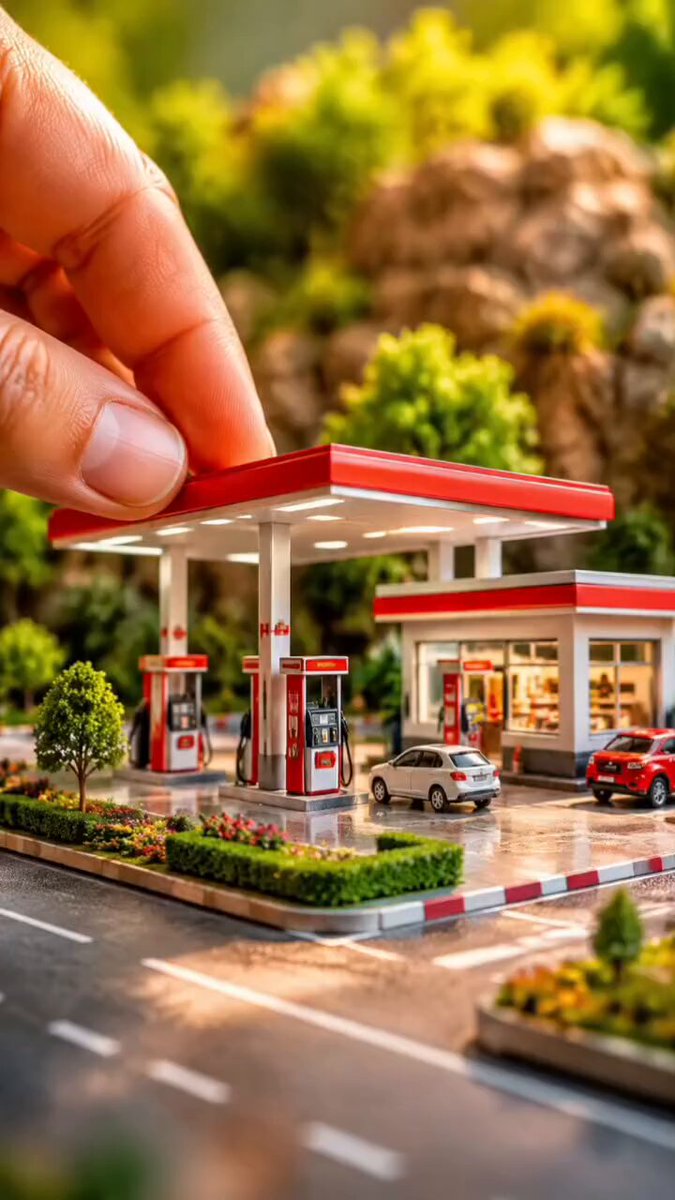 Create a 60-second ultra-realistic macro miniature construct