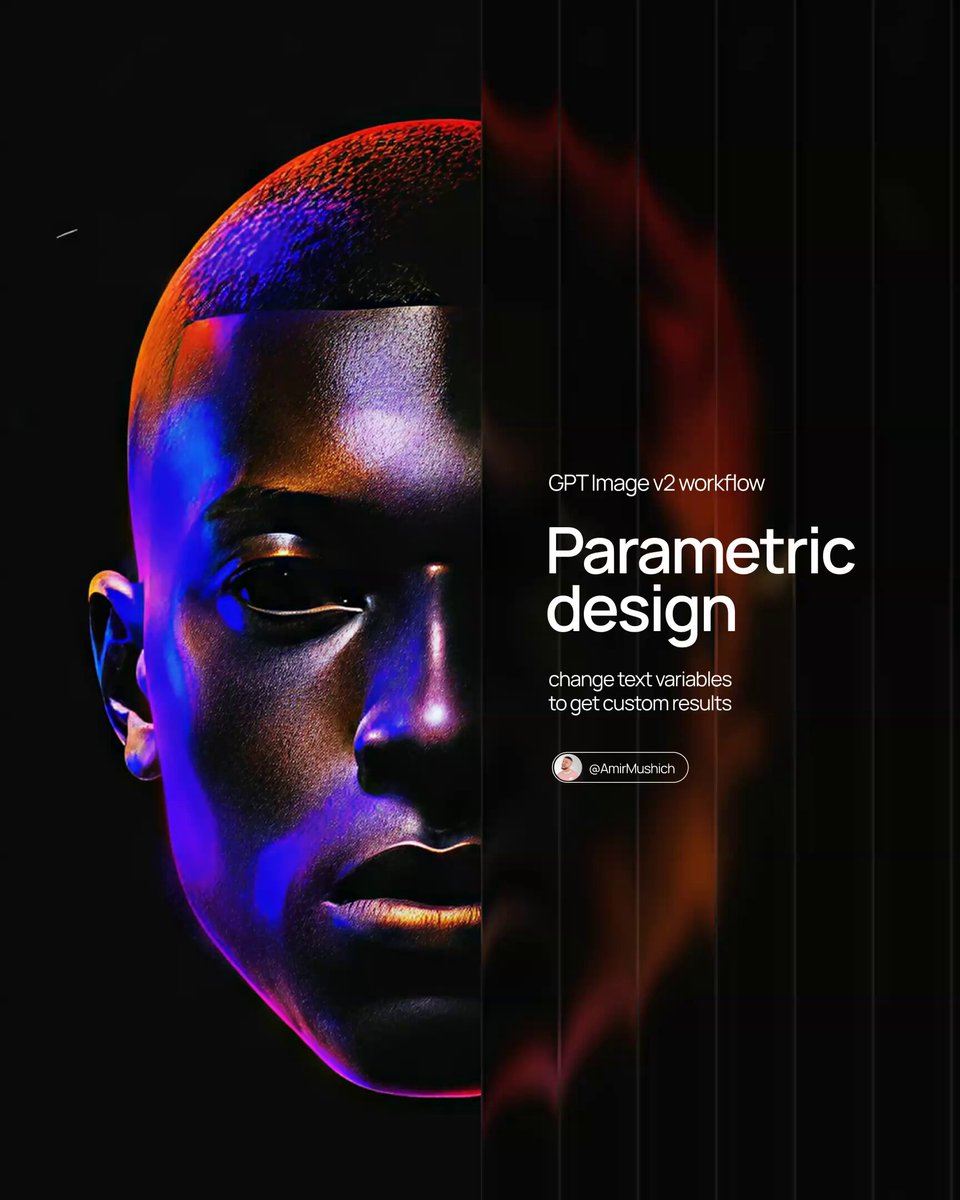
Create a dark retro-futurist sculptural portrait of [PERSON_NAME = _____________________]
as a floating synthetic 3D head, centered in a vertical frame against a deep pure black background.

The portrait should preserve the recognizable facial structure and key identity cues of [PERSON_NAME], but transform the person into a highly stylized, smooth, mask-like sculptural head. The form should feel simplified, slightly uncanny, and iconic — like an abstracted 3D bust from an 1980s experimental digital artwork, a vintage sci-fi poster, or an old-school surreal album cover.

Important: do not show a neck, shoulders, or clothing. The head must appear to float in black space, isolated and monumental.

Background rule:
The background must remain pure deep black, clean, empty, and minimal. Do not add any scratches, brush strokes, distressed texture, grunge marks, dust stains, poster wear, paper texture, cloudy patches, painted smears, or visible roughness on the background itself. Only a uniform layer of visible film grain / low-light digital noise may sit over the entire image, including the black background. The background should feel like black photographic void with grain, not like a textured poster surface.

The material should feel like dark glossy vinyl, lacquered resin, polished black silicone, or smooth dark ceramic — reflective, but not ultra-clean or hyper-luxury modern. Avoid a slick contemporary beauty-render look. The 3D form should feel more vintage, more stylized, more art-directed, and slightly imperfect, with a retro 80s digital-sculpture sensibility.

Lighting is crucial. Keep the image overall very dark, with most of the face swallowed by shadow. The head should emerge from black-on-black darkness, with only selective facial planes revealed by multiple colored light sources. Match this lighting logic as closely as possible:
- left upper side: warm orange glow
- left side: electric blue light
- left lower / left-mid side: violet light
- bottom: pink-magenta underglow
- right lower side: warm orange glow
- right upper rim: deep red light

These lights should blend subtly across the sculptural surface, creating rich layered gradients and colored reflections rather than simple clean three-point lighting. The face should feel illuminated by several distinct but controlled colored sources, with black shadow remaining dominant.

The composition should be frontal, centered, close-cropped, iconic, still, and symmetrical or near-symmetrical. One head only. No pose, no expression-driven acting. The mood should be calm, unreadable, haunting, monumental, and slightly eerie.

Color palette: black, deep shadow, electric blue, violet, purple, magenta, hot pink, burnt orange, amber-orange, and deep red. Keep the palette rich but restrained. Avoid rainbow chaos; the image should feel curated, moody, and cinematic.

Surface and image treatment:
Add visible heavy film grain, low-light digital noise, subtle optical softness, and a tactile imperfect finish. The image should feel analog and atmospheric, but the imperfection must come from grain, low-light noise, optical glow, and color behavior — not from a dirty or textured background.

Add clear 1980s-style analog/post-production aesthetics only on or near the head:
subtle vintage color light leaks touching the facial planes,
irregular soft colored exposure spots on the sculptural surface,
gentle painterly light blotches integrated into the rim light,
imperfect airbrushed glow marks following the head contours,
and layered translucent gradient overlays interacting with the glossy face.

These overlays should feel artistic and slightly messy, as if hand-treated in a vintage poster design workflow, but they must stay attached to the head, the light, or the immediate edge glow around the floating form. They may lightly bleed from the head into the surrounding darkness, but they should not become background brush strokes or distressed wall texture.

The image should feel like a hybrid of:
dark neo-noir sculpture,
vintage sci-fi poster art,
1980s experimental 3D illustration,
retro album-cover aesthetics,
and expressive analog graphic-treatment overlays.

Do not create a normal photographic portrait.
Do not show realistic skin pores or naturalistic beauty-photo lighting.
Do not show neck, shoulders, clothing, props, jewelry, text, or background scenery.
Do not make it look like a clean modern CGI beauty render.
Do not make it too bright.
Do not rely on only two or three light sources.
Do not add scratches, stains, brush strokes, grunge texture, paper texture, poster distress, or decorative marks to the background.
Keep the background pure black with grain only.
Keep it darker, more stylized, more vintage, more art-driven, and more atmospheric.55:T65
 定格AI图像工坊
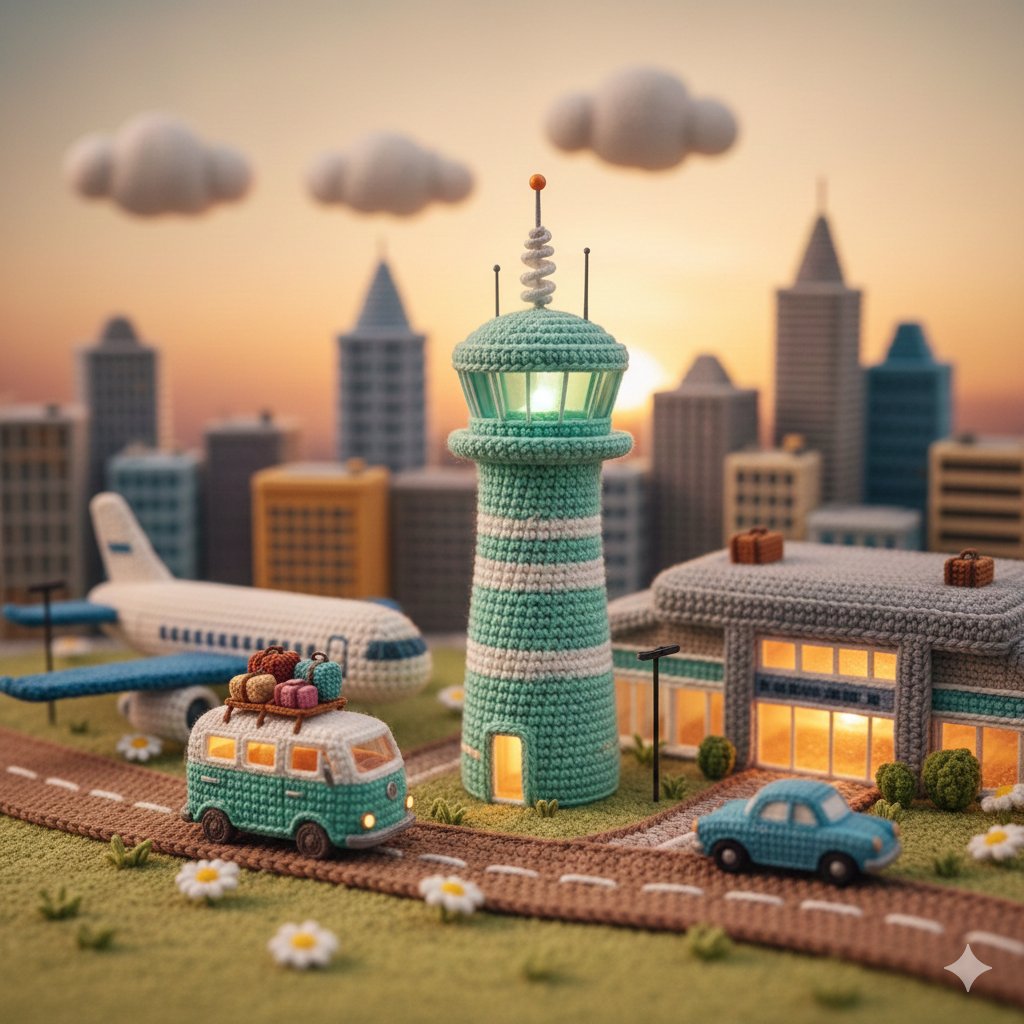 A highly detailed miniature diorama entirely made of crochet
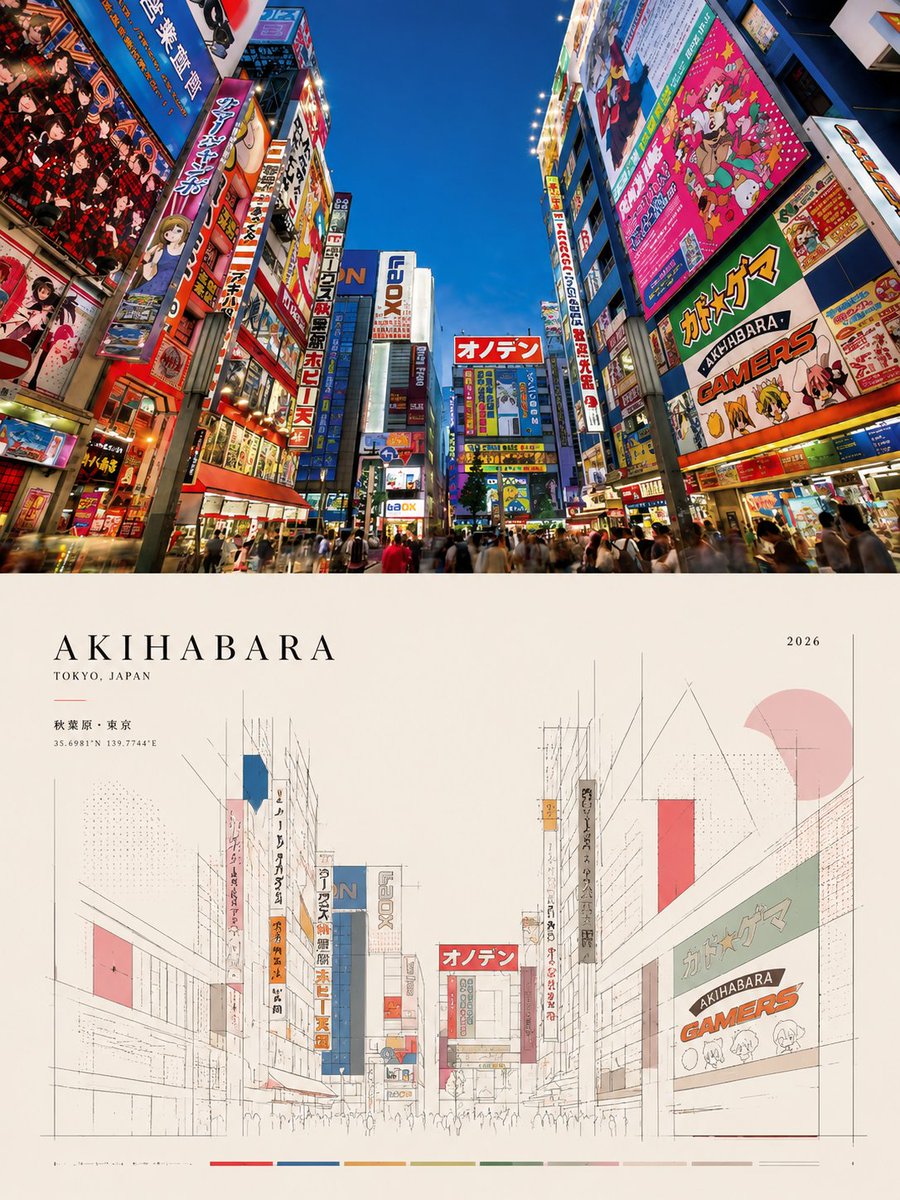 Create an ultra-high-resolution, print-ready editorial poste
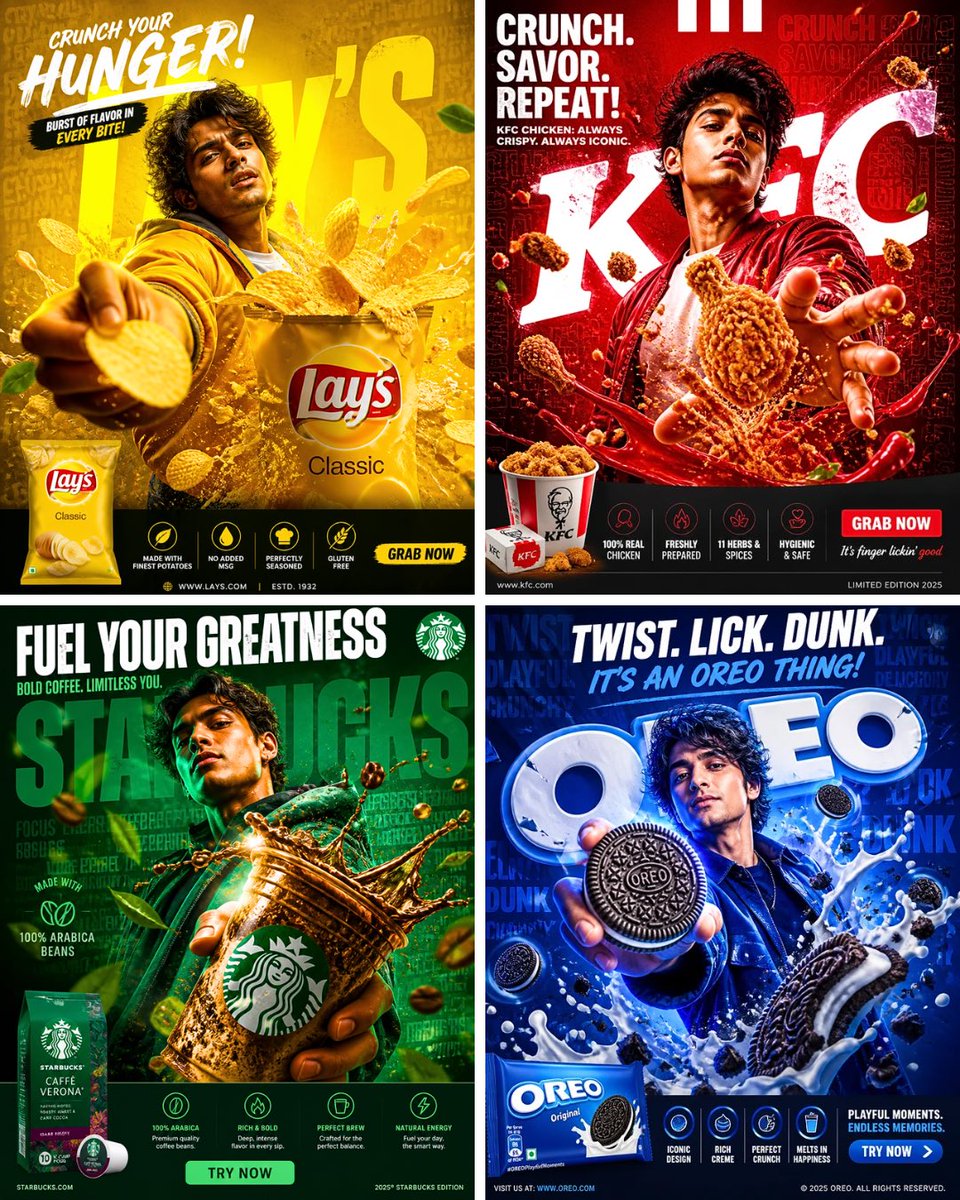 A high-impact cinematic advertising poster for [BRAND]. A yo
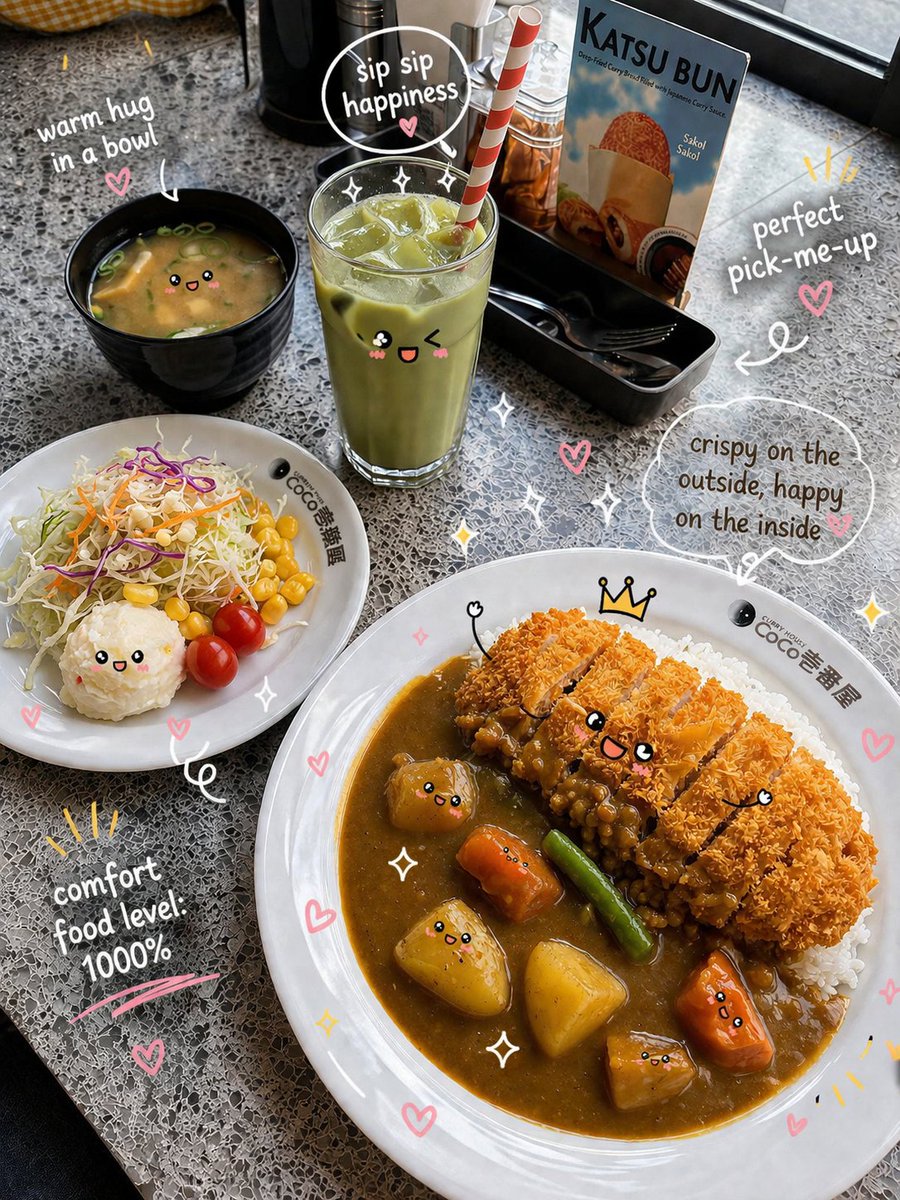 Prompt. { "scene": { "type": "food_photography",
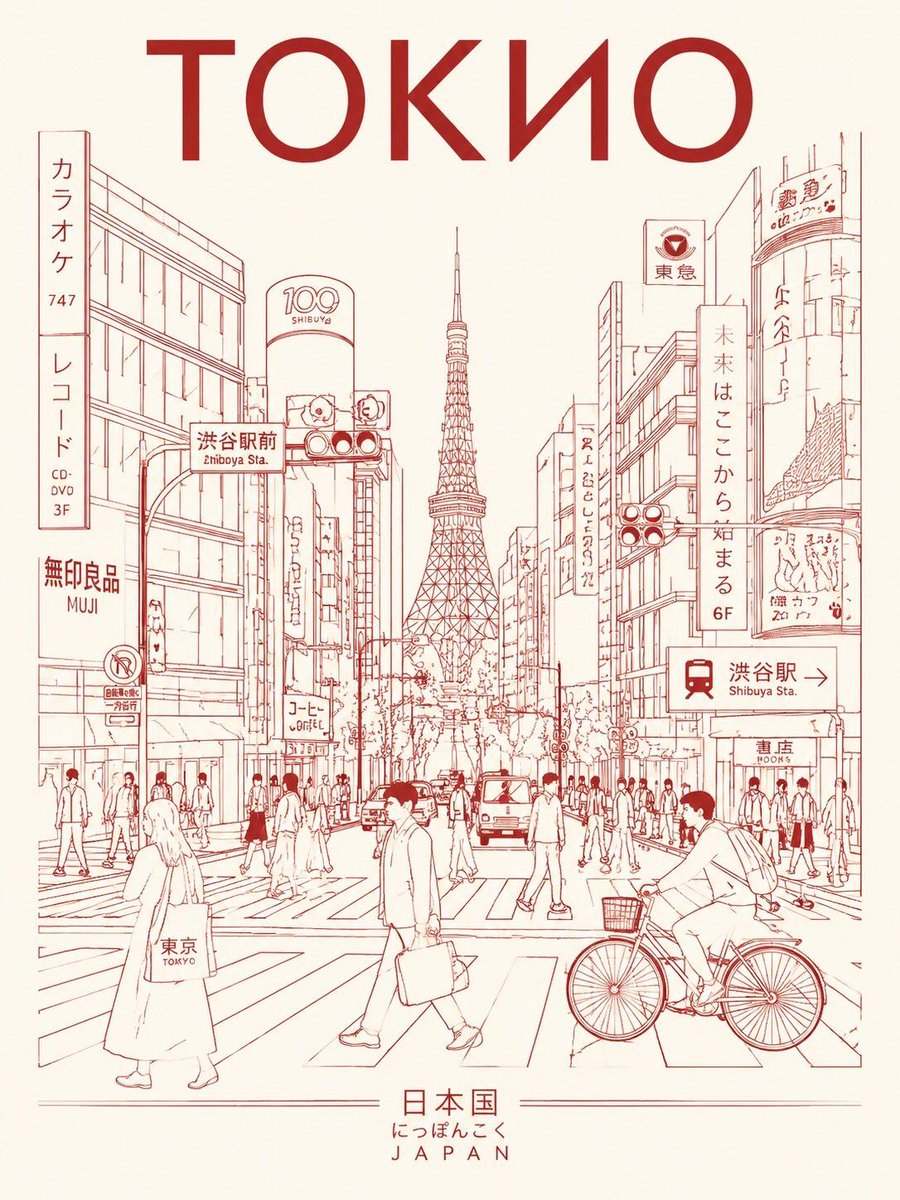 Create a minimalist ultra-high-resolution travel poster in l
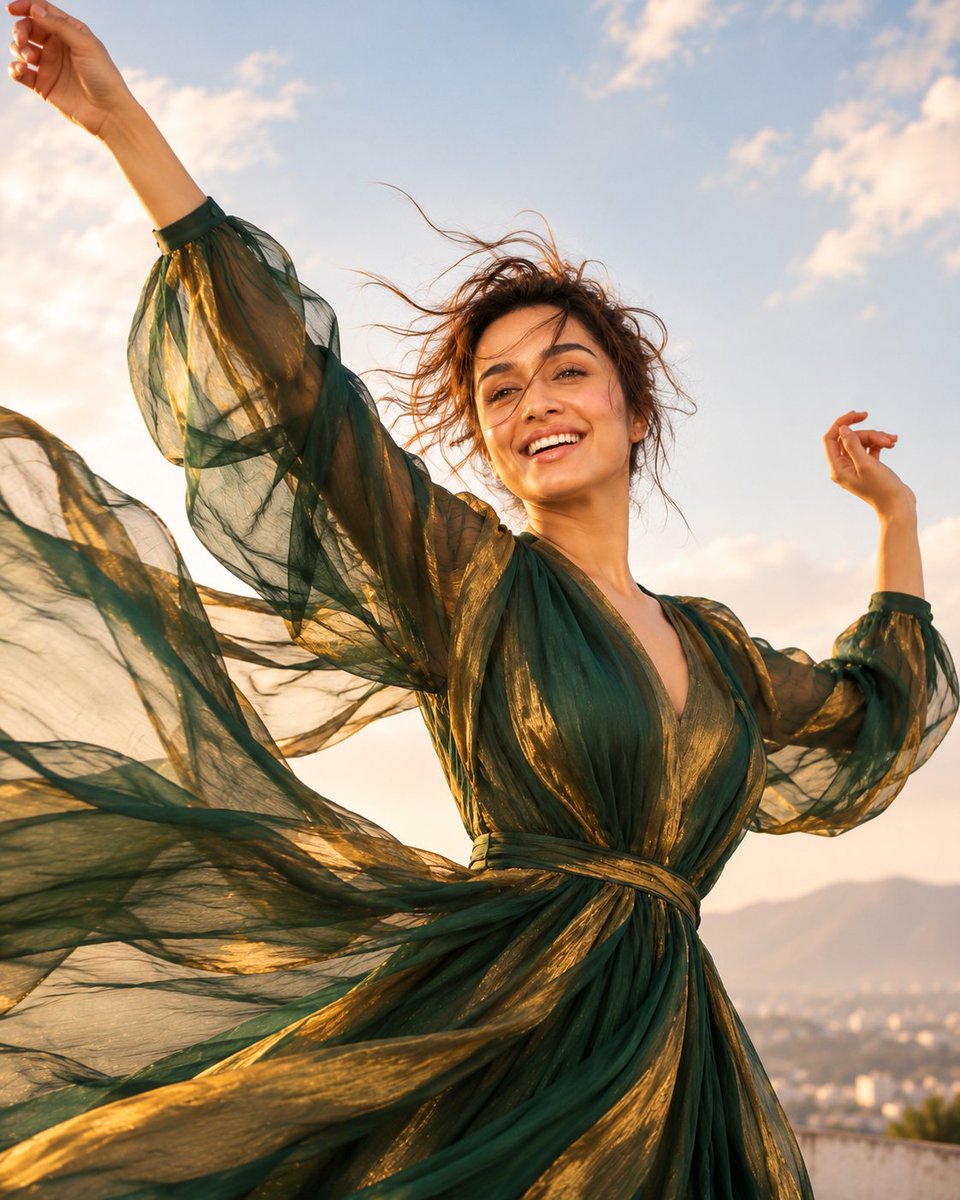 Wide editorial lifestyle shot, young woman in sheer emerald
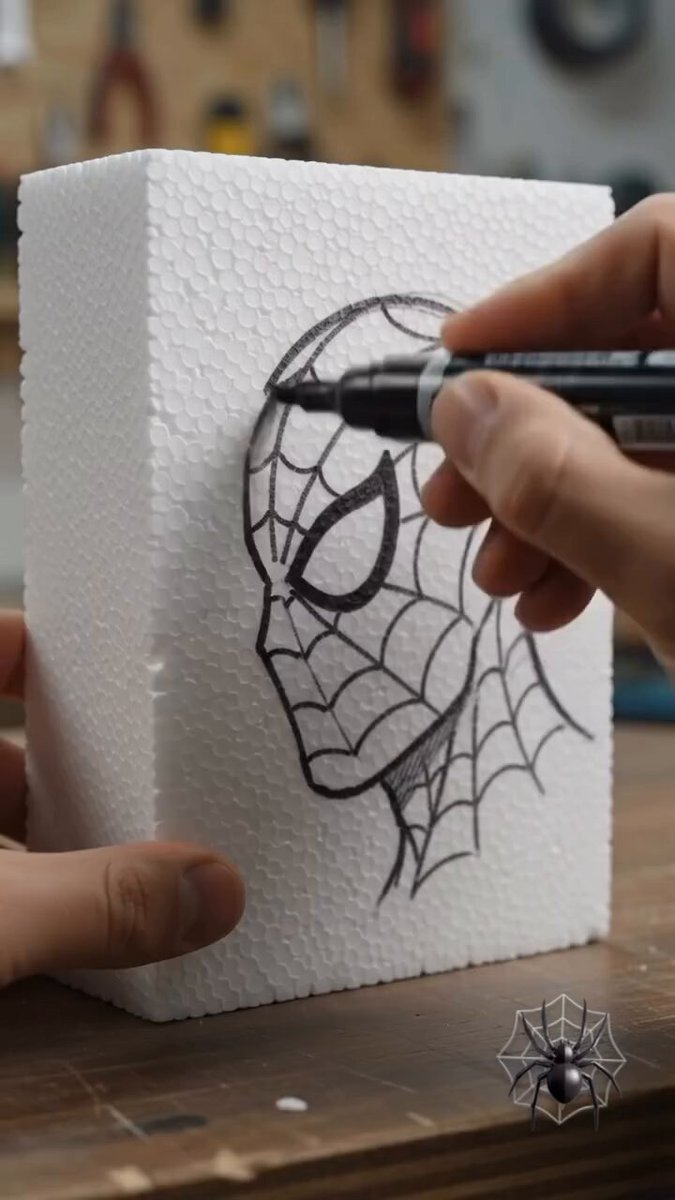 Create a highly realistic vertical 9:16 cinematic time-lapse
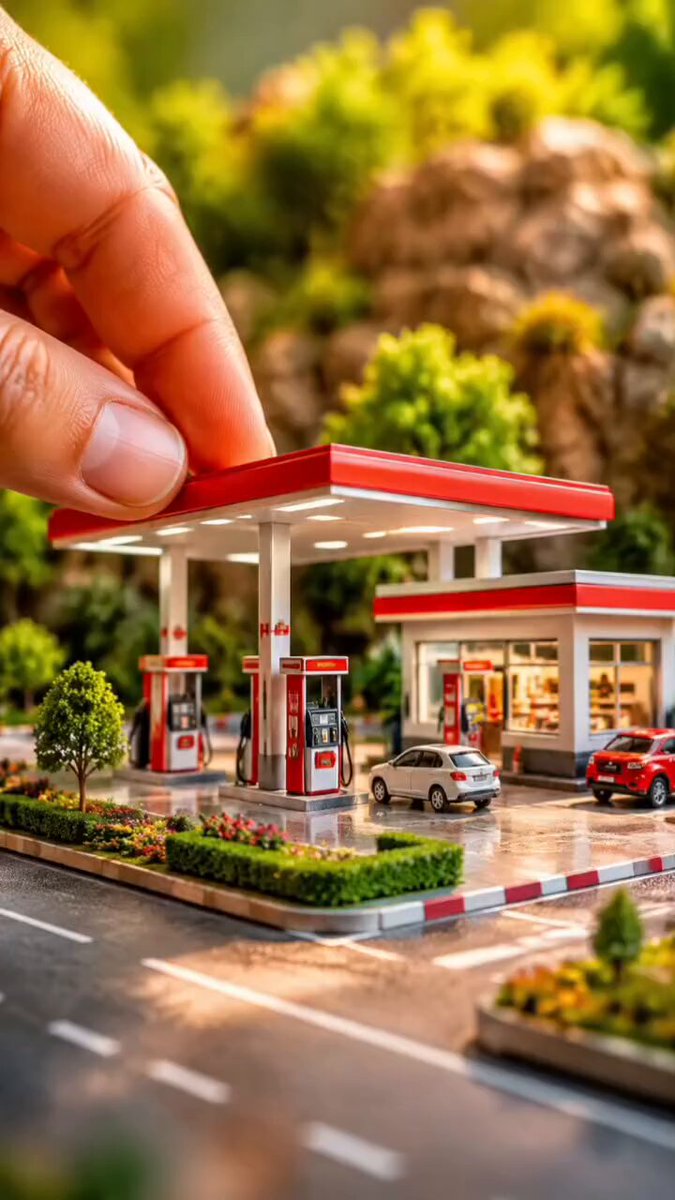 Create a 60-second ultra-realistic macro miniature construct